A healthcare software modernization company should show where legacy technology creates cost, risk, and delay. Our assessment turns architecture, code, data, integrations, security, and operations into clear priorities.
Modernization Strategy
A healthcare software modernization firm should recommend the least disruptive route to value. Intelisoft compares remediation, refactoring, re-platforming, modular replacement, and rebuilding against cost, continuity, and business impact.
Architecture and Cloud Modernization
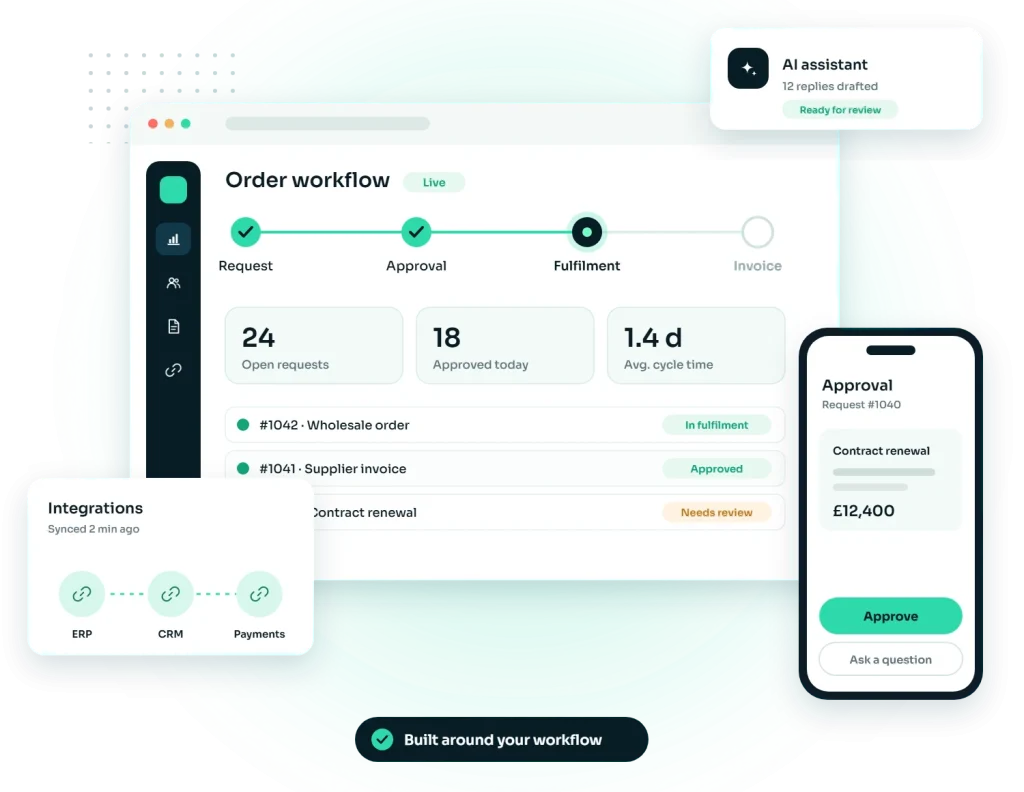
Custom software modernization for healthcare separates the components that block change, introduces dependable APIs, and improves deployment, helping teams release useful updates without replacing every stable part.
Application and UX Modernization
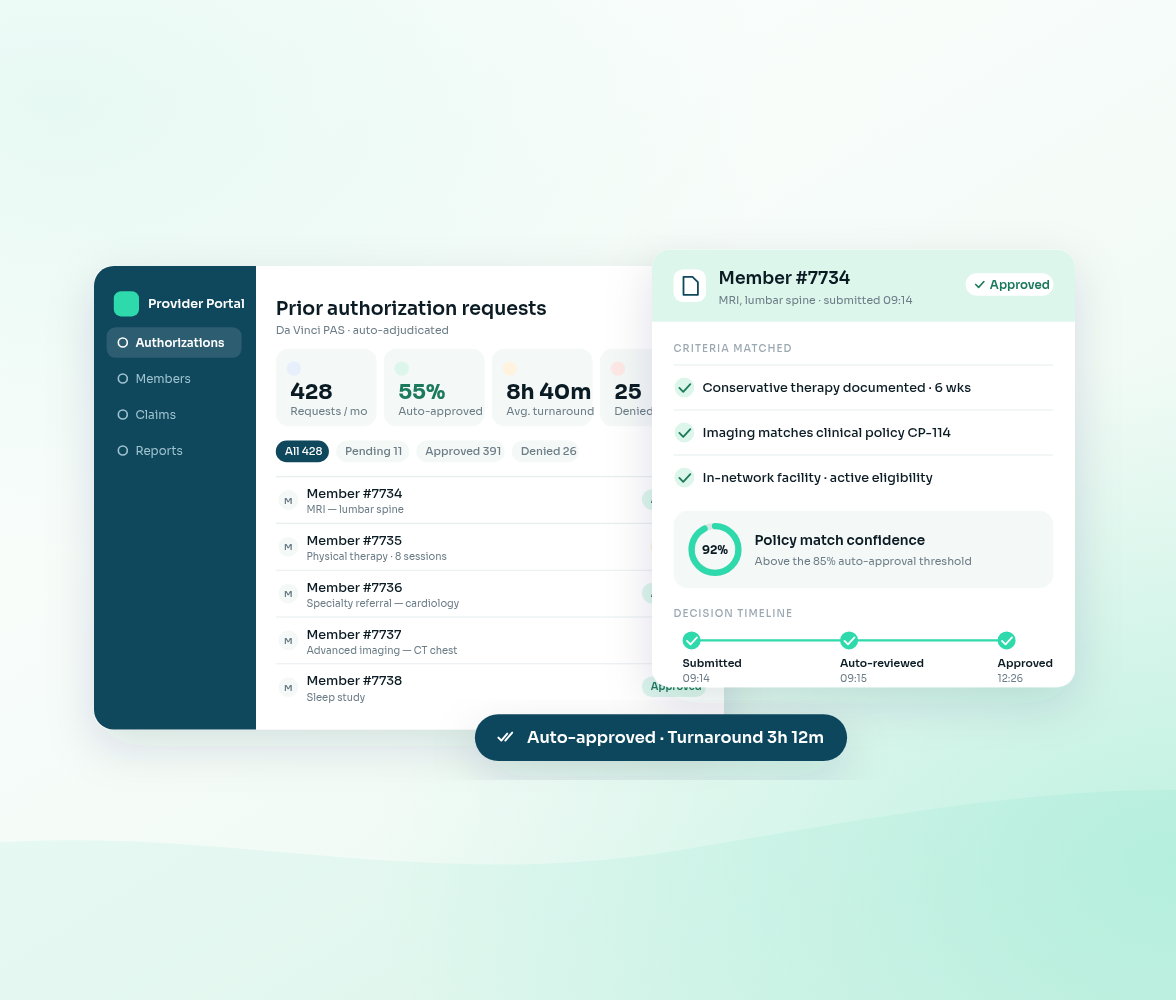
Our healthcare application modernization services make existing products easier to use, maintain, and extend while preserving the business rules and integrations staff depend on every day.
Legacy Software Renewal
Healthcare legacy software modernization services replace unsupported frameworks, fragile code, and manual releases with a safer delivery foundation, reducing incident risk and shortening the path from request to production.
Data and Platform Migration
Healthcare legacy system modernization services protect data through mapping, migration rehearsals, reconciliation, rollback, and validation, giving teams confidence that records remain accurate and accessible after cutover.
Legacy Software Modernization Services for Healthcare
Modernization changes how data moves, where it is stored, and which services can access it. We map those changes and plan identity, permissions, encryption, logging, secrets, backups, and recovery around the future architecture.
02
For US healthcare environments, the plan can account for applicable HIPAA safeguards and relevant FDA considerations where software has a medical purpose. The organization remains responsible for its legal obligations, while engineering evidence supports informed review.
03
For UK products, planning can account for UK GDPR and relevant MHRA guidance where applicable. Scope is based on intended use, target market, data handling, deployment, and risk, not on a generic compliance label.
Undocumented jobs, interfaces, and workarounds make every change slower and riskier. We expose those dependencies early, giving decision-makers a roadmap based on the real system rather than assumptions.
Migration Without Downtime
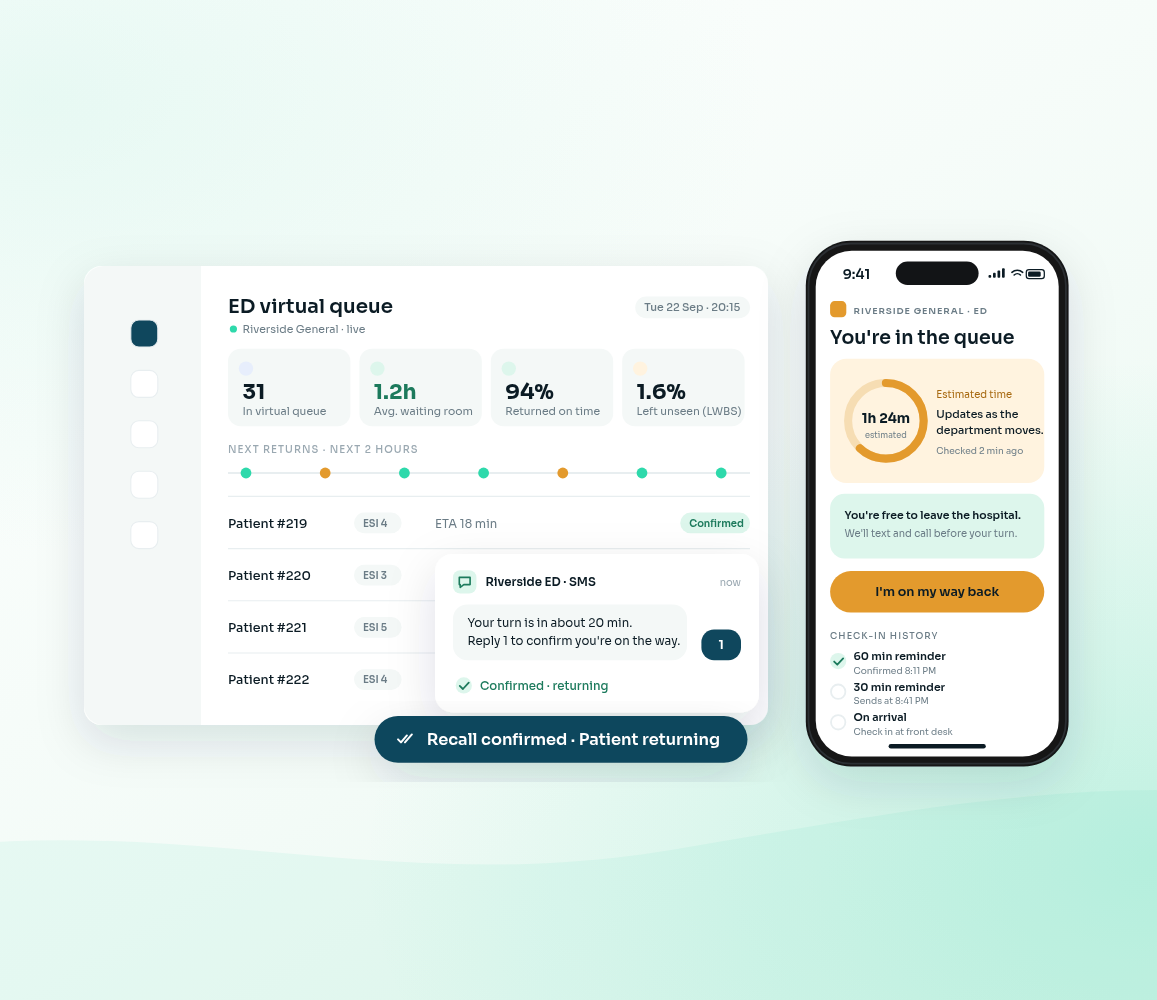
Modernize without pausing essential work. Phased delivery, parallel operation, migration rehearsals, reconciliation, monitoring, and rollback plans give teams a controlled route from the old environment to the new one.
Security and Unsupported Technology
A healthcare software modernization company can separate urgent security and support risks from longer product improvements, helping the business address exposed dependencies without turning every issue into a platform-wide rewrite.
Competing Business Priorities
Modernization should improve the business before the final component is replaced. We prioritize changes that reduce risk, user friction, release time, and operating cost while unlocking later stages.
Our Process for Healthcare Software Modernization Services
01
Assessment and Baseline
We inspect code, architecture, infrastructure, data, integrations, security, performance, and operational workflows. The baseline makes hidden dependencies and the cost of staying unchanged visible, while identifying the components that need immediate attention.
Deliverable: current-state assessment and risk map.
02
Target State and Roadmap
Options are compared against business goals, continuity needs, technical constraints, and available capacity. The selected roadmap defines stages, dependencies, validation criteria, and decisions that still require evidence.
Deliverable: prioritized modernization roadmap.
03
Foundation and Pilot
We establish the delivery, testing, observability, and integration foundations needed for safe change, then prove the approach on a bounded workflow or component before expanding the program.
Deliverable: validated pilot and delivery foundation.
04
Incremental Modernization
Components, interfaces, and data flows are changed in controlled increments. Each release is reviewed against expected behavior, integration results, performance, security, operational readiness, and the agreed continuity requirements.
Deliverable: reviewable modernized increments.
05
Migration and Cutover
Data and workflows move through rehearsed steps with reconciliation, monitoring, fallback options, and named owners. The team confirms that the new environment is ready before retiring old components.
Deliverable: validated production cutover.
06
Optimization and Support
After cutover, we resolve issues, tune performance and cost, strengthen operations, and continue the roadmap based on actual usage, support signals, technical evidence, and new business priorities.
Deliverable: support baseline and next-stage roadmap.
Our clients
Generated over
$50M
in additional revenue for our Healthcare clients
72%
Faster development processing with AI
98%
Customer satisfaction and strategical success
Client Testimonials
How Much Does Healthcare Software Modernization Cost?
Modernization estimates depend on system condition, data volume, integrations, continuity requirements, migration approach, and the scope of validation. These examples show two common engagement shapes.
It is the controlled improvement or replacement of aging healthcare software. The work may include architecture refactoring, framework upgrades, cloud migration, interface redesign, API enablement, data migration, security updates, testing, and observability. The right mix depends on business value, risk, and continuity requirements.
The answer follows evidence. We compare the product’s business value, code and architecture condition, integration constraints, data risk, release needs, and cost of continued maintenance. A mixed approach is common: preserve stable parts, replace bottlenecks, and rebuild only where the current design blocks the target outcome.
Yes. A phased approach can introduce APIs, separate modules, renew interfaces, move selected workloads, or replace one workflow at a time. Clear boundaries, regression tests, observability, and migration controls allow the old and new environments to coexist while the program advances.
We map dependencies, define source-to-target rules, rehearse migration, test business-critical behavior, reconcile data, and agree on cutover and rollback conditions. Named owners monitor the release and investigate exceptions. The controls are adapted to the system’s clinical and operational importance. We also document what remains in the old environment, when it can be retired, and how archived information will be accessed.
Yes. We can assess vendor interfaces, replace fragile point-to-point connections, introduce stable APIs, improve authentication, and add monitoring, retries, reconciliation, and support ownership. Integration work is sequenced with application and data changes so the system remains understandable.
A focused assessment may take weeks, while a platform-wide program normally runs in phases. Duration depends on system size, test coverage, integration complexity, data migration, release constraints, and available subject-matter experts. Discovery turns those factors into milestones and decision points rather than one generic promise.
The first period after cutover focuses on stability, user issues, integration behavior, performance, and data quality. We then address technical debt, operating cost, and planned product improvements. Support responsibilities, service expectations, and the next roadmap stage are agreed before the old environment is retired.