Doctor appointment app development turns provider calendars, visit types, eligibility, referral rules, locations, and cancellations into a booking flow patients can complete without staff intervention.
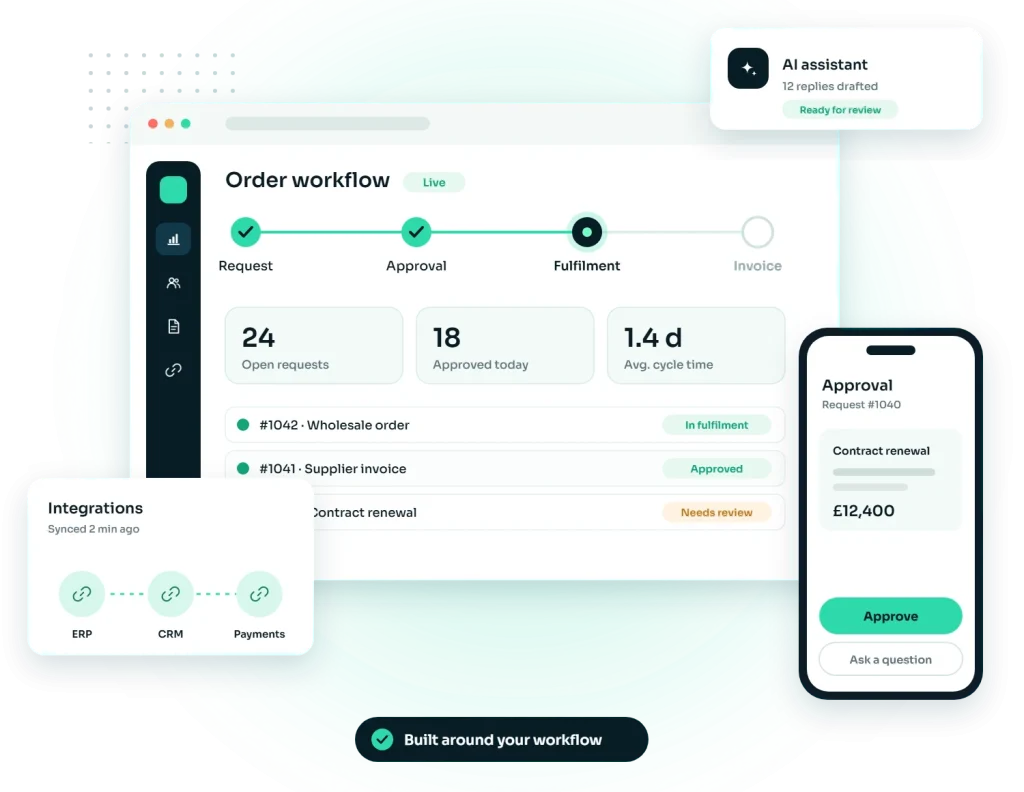
Patient Mobile Booking
A doctor appointment mobile app development company should reduce the steps between provider search and confirmation. Intelisoft connects booking, intake, reminders, rescheduling, payments, and follow-up across iOS and Android.
Web Appointment Booking
As a doctor booking app development company, we connect public search, patient accounts, real-time availability, rules, forms, and notifications, giving patients a complete responsive booking journey.
Staff Scheduling Workspace
A doctor appointment app development company should reduce repetitive scheduling work for staff. Calendar control, overrides, queues, waitlists, resource assignment, and exception tools keep daily operations manageable.
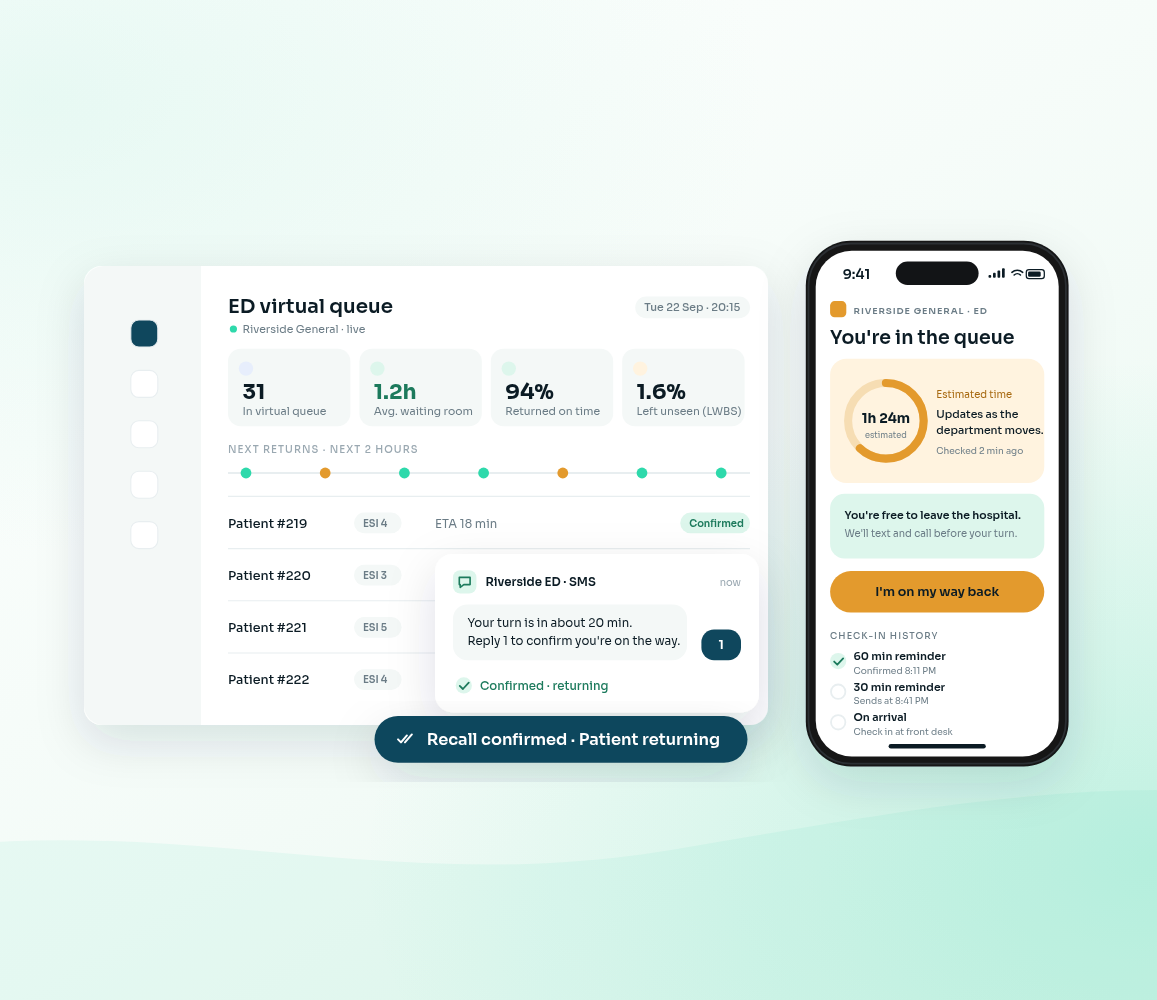
On-Demand Scheduling
On-demand doctor appointment app development routes immediate requests to an appropriate available provider, using triage inputs, wait-time estimates, and clear escalation when the preferred option cannot be offered.
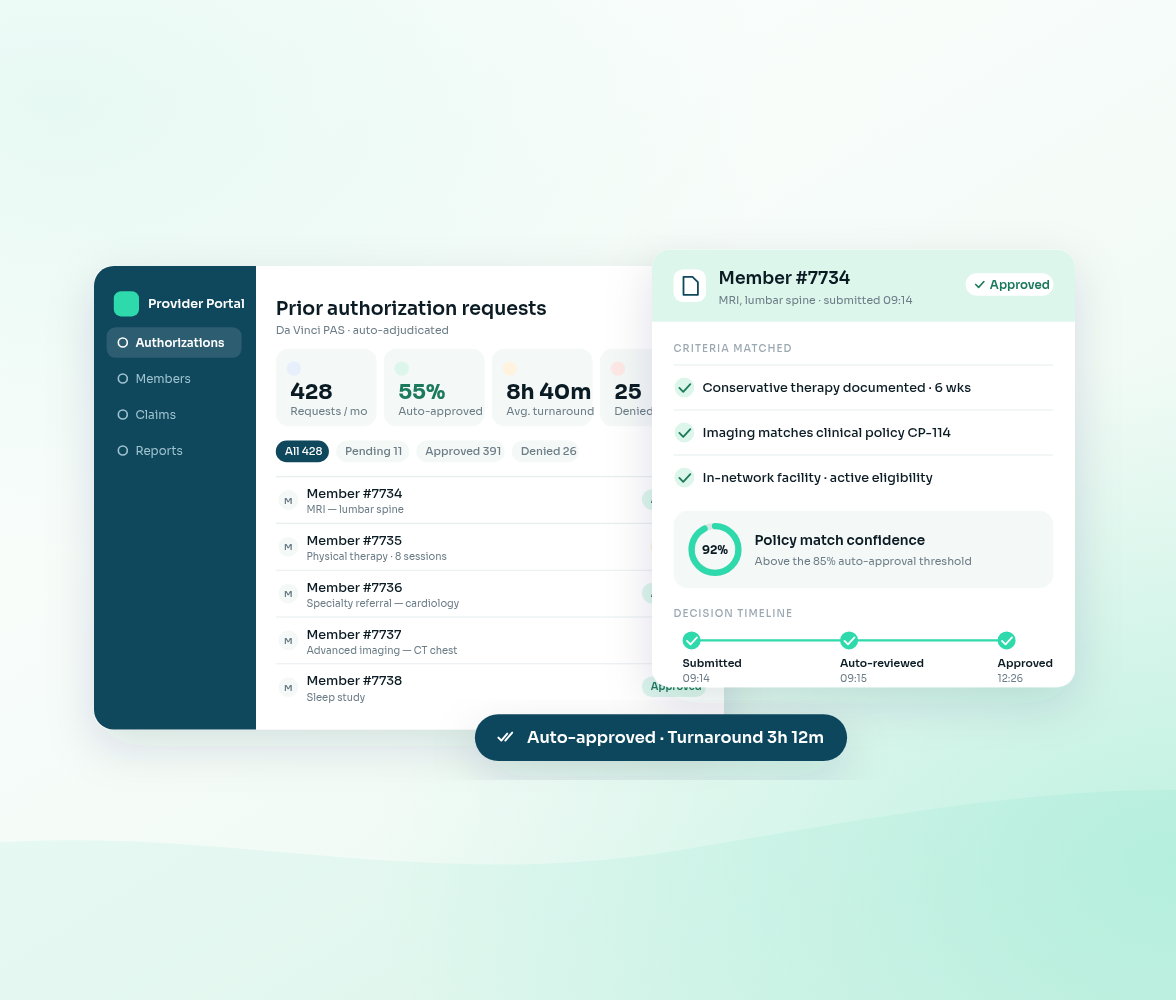
Online Booking Integrations
Online doctor appointment app development keeps availability and patient actions synchronized with EHR or practice-management systems, payments, communication tools, maps, and analytics, reducing manual updates between platforms.
A doctor appointment app development company should collect only the information needed for booking and care preparation. We map identity, permissions, data flows, vendors, logs, retention, backup, and recovery around the actual product.
02
On-demand doctor appointment app development may introduce location, immediate availability, triage, payment, and communication data. We define who can see it, how long it is needed, and what happens when a service fails.
03
Online doctor appointment app development can account for applicable HIPAA safeguards or UK GDPR requirements based on the target market and data flows. The compliance scope follows real functionality, deployment, vendors, and organizational responsibilities.
Doctor appointment mobile app development must reflect real calendars, visit types, resources, buffers, locations, and EHR updates. Accurate synchronization prevents patients from selecting slots the clinic cannot honor.
Long and Confusing Booking
Doctor appointment mobile app development should help patients reach the right provider without repeated questions or dead ends. Clear search, eligibility, forms, and confirmation reduce abandoned bookings.
Manual Work for Staff
Doctor appointment app development should also reduce the work behind each booking. Staff tools for overrides, referrals, queues, waitlists, cancellations, and exceptions limit the number of issues resolved by phone.
No-Shows and Unused Capacity
Reduce no-shows and recover open capacity with connected confirmations, reminders, easy rescheduling, cancellation rules, and waitlists. Operational reporting helps teams see where patients leave the booking journey.
Doctor Appointment Booking App Development: Our Process
01
Scheduling Discovery
Our doctor appointment app development process maps users, calendars, visit types, locations, resources, eligibility, referrals, cancellations, and integration dependencies before defining the product scope and the rules that staff must be able to manage.
Deliverable: validated scheduling rules and scope.
02
Experience and Solution Design
Patient and staff journeys are translated into prototypes, architecture, data contracts, integration behavior, security controls, and a prioritized first release that stakeholders can review before full engineering begins.
Deliverable: build-ready product blueprint.
03
Iterative Engineering
The team delivers tested increments across patient interfaces, staff tools, scheduling logic, notifications, payments, and integrations. Regular demonstrations keep business rules, technical behavior, and user experience aligned.
Deliverable: working, reviewable application.
04
Verification and Launch
We test booking rules, calendar synchronization, double-booking protection, payments, notifications, accessibility, performance, security, recovery, and staff exception handling before release. Results are reviewed against agreed acceptance and operational-readiness criteria.
Deliverable: evidence-backed release package.
05
Deployment and Adoption
The application is introduced with scheduling configuration, integrations, data readiness, communications, support procedures, and staff preparation coordinated around the production launch. Responsibilities, fallback steps, and escalation paths are confirmed before patients begin using the new journey.
Deliverable: production rollout and adoption plan.
06
Support and Optimization
After launch, we monitor booking behavior, synchronization, no-shows, cancellations, user feedback, and support signals, then prioritize fixes and improvements around patient access, staff workload, and operational needs.
Deliverable: support baseline and optimization roadmap.
Our clients
Generated over
$50M
in additional revenue for our Healthcare clients
72%
Faster development processing with AI
98%
Customer satisfaction and strategical success
Client Testimonials
How Much Does a Doctor Appointment App Cost?
The estimate depends on platforms, scheduling rules, patient and staff workflows, integrations, payments, notifications, locations, and reporting. These examples show two common first-release scopes.
Most products need provider search, real-time availability, visit types, booking, confirmation, rescheduling, cancellation, reminders, intake, and a staff workspace. Depending on the service, they may also need referrals, eligibility checks, waitlists, payments, telehealth links, multi-location rules, and EHR synchronization.
Yes, when the target system provides a usable integration path. We assess authentication, schedule and appointment models, update behavior, limits, and failures. The design also covers retries, reconciliation, conflict handling, monitoring, and which team owns exceptions. We test how both systems behave when availability changes during an active booking.
We define the source of truth, reservation behavior, slot holds, update timing, concurrency rules, and recovery from failed synchronization. Tests cover simultaneous requests, stale availability, cancellations, and staff overrides so the product handles more than the normal booking path.
Yes. The model can account for locations, specialties, provider groups, visit types, rooms, equipment, duration, buffers, time zones, eligibility, and local rules. Administration tools let authorized staff manage these settings without changing code for routine updates. Permissions and reporting can also follow the organization’s location and team structure.
Yes. Waitlists can match open slots against patient preferences and eligibility, while reminders can use email, SMS, or push notifications. We also define confirmation, cancellation, rescheduling, delivery failure, consent, and staff follow-up behavior. Expired offers and repeated failures return to a visible staff queue.
A booking app for one clinic with standard scheduling rules may take several months. Several locations, complex eligibility or referral rules, EHR synchronization, and payments extend the plan. The work can be staged so patient booking goes live first and staff tools and integrations follow.
Support can cover monitoring, integration failures, defects, security updates, store releases, notification services, performance, and planned improvements. Product data and staff feedback can then guide changes that reduce booking friction, unused capacity, and avoidable support work. We agree on ownership, escalation, and operating measures before handover.